How to Rank for "VR Arcade Near Me": A Local SEO Playbook
Rank for "VR arcade near me" and win local searchers ready to book. A step-by-step local SEO playbook for VR arcade owners: GBP, reviews, pages, and more.
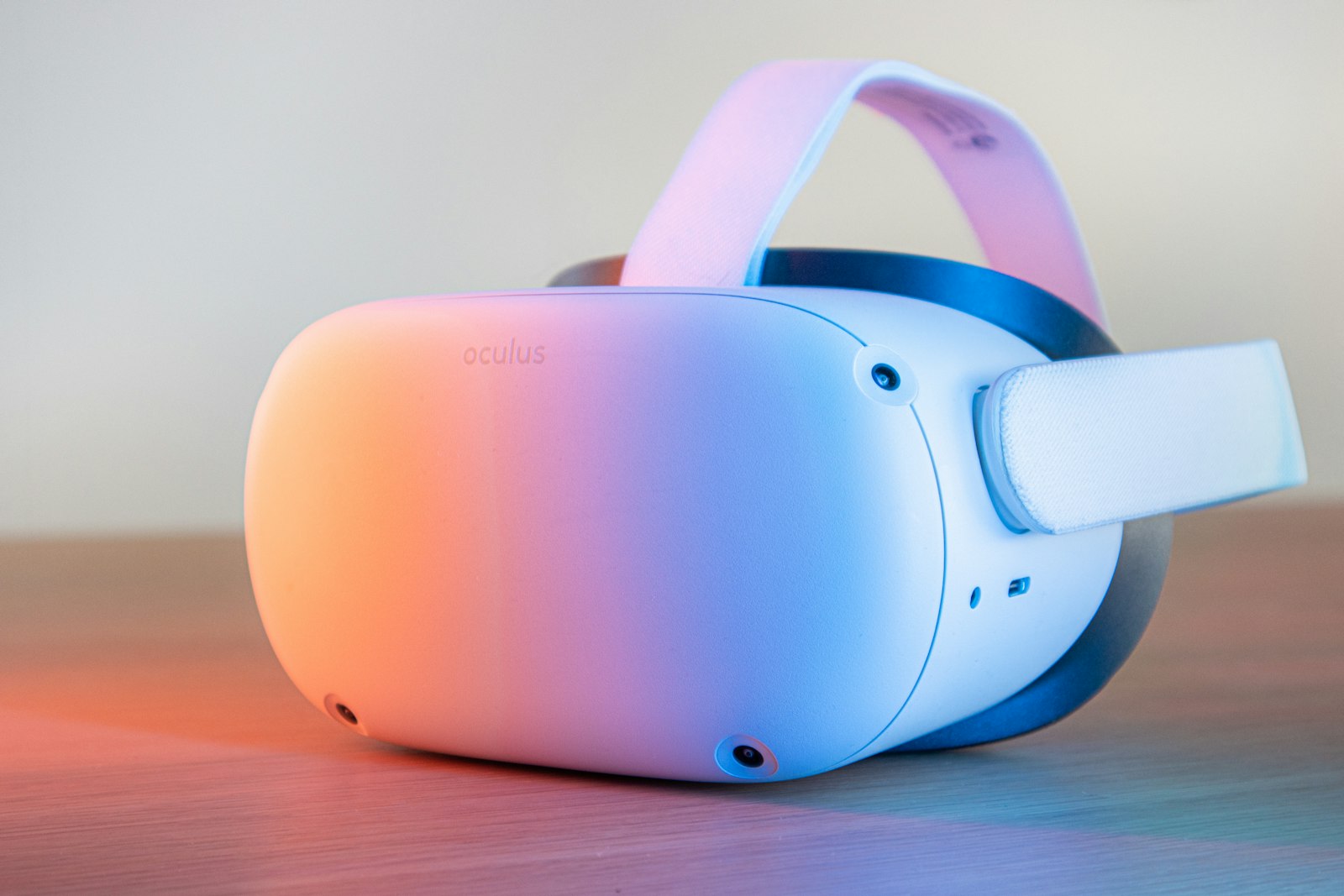
When someone types "VR arcade near me" into Google, they are not browsing — they want to book something for tonight, this weekend, or a kid's birthday next month. These are the highest-intent searches your venue will ever receive, and most of them never see your website. They see a map with three businesses in it. If you're not in that map pack, you're invisible.
Ranking for "vr arcade near me" is not about tricking Google. It's about proving you're the most relevant, most trusted, and closest option to the searcher. Here's exactly how to do that, in the order that actually moves rankings.
How local search really works for "near me" queries
Google ranks local results on three factors: relevance (does your business match the search?), distance (how close are you to the searcher?), and prominence (how well-known and trusted are you?). You can't move your building, so your job is to maximize relevance and prominence — and to make Google confident you're a legitimate, active VR arcade.
The critical thing to understand: for "near me" searches, Google mostly ignores the exact words "near me" and instead uses the searcher's real-time location. So you're not optimizing for the phrase "near me" — you're optimizing to be the best answer for VR arcade in your service radius. That distinction changes everything about your strategy.
Step 1: Your Google Business Profile is 80% of the game
For local pack rankings, your Google Business Profile (GBP) does more heavy lifting than your entire website. If you optimize one thing this quarter, make it this.
At minimum:
- Primary category: Set it to the most specific option available ("Virtual reality center" or "Amusement center"). The primary category is one of the strongest ranking signals there is.
- Secondary categories: Add relevant ones — arcade, family entertainment center, party planner if you host events.
- Business name: Use your real name only. Stuffing "Denver VR Arcade Near Me" into your name is a guideline violation and gets suspended.
- Hours, phone, website: Accurate and consistent everywhere online.
- Photos: Upload 15+ real photos — the space, headsets, groups laughing, your storefront. Businesses with more photos get measurably more clicks and direction requests.
- Products/Services: List your experiences with prices. This feeds relevance.
We go deep on this in the Google Business Profile setup guide for entertainment venues — work through that before anything else on this list.
Post weekly and answer questions
Google rewards active profiles. Publish a Google Post every week — a new game, a weekend promo, a birthday package. Seed and answer the Q&A section yourself with real questions ("Do I need to book ahead?", "What's the minimum age?"). Both signal that your listing is alive and maintained.
Step 2: Reviews — the prominence multiplier
After categories, review signals are the biggest lever for local ranking. Google looks at review quantity, velocity (are you getting new ones regularly?), rating, and increasingly the keywords inside reviews.
That last point matters. When a customer writes "best VR arcade in Austin, took the kids for a birthday," that text tells Google what you are and where. You can't script reviews, but you can ask at the right moment — right after a great session, from a happy group.
Targets to aim for:
| Metric | Baseline | Competitive |
|---|---|---|
| Total reviews | 50+ | 200+ |
| Average rating | 4.5+ | 4.7+ |
| New reviews/month | 5–10 | 20+ |
| Response rate | 100% | 100% |
Respond to every review — good and bad. Our full breakdown on getting more Google reviews for your venue covers the ask timing and automation that gets response rates above 15%. The fastest wins come from an automated SMS review request sent 30 minutes after check-out, which tools like Revyn Engine can trigger from booking data.
Step 3: Build location-specific website content
Your GBP wins the map pack; your website supports it and captures the organic results below the map. You need a genuinely local, useful site — not a one-page brochure.
Build these pages:
- A location page for each venue with the city name in the title, H1, and URL. Include your address, embedded map, hours, parking notes, and nearby landmarks. If you run multiple locations, each needs its own indexable page — never one page listing all addresses.
- Experience pages for each game type or format, so you rank for "free roam VR [city]" and similar. If you're still deciding your format, the free-roam vs booth VR comparison is worth reading first.
- Use-case pages: birthday parties, corporate events, group outings. These capture huge intent. Pair the page with sellable packages — see birthday party packages that sell themselves and corporate events at immersive venues.
Write naturally for humans. Mention your city and neighborhood where it makes sense, describe what makes your venue different, and answer real questions people ask before booking.
Get your NAP consistent everywhere
Name, Address, Phone (NAP) must match exactly across your website, GBP, Yelp, Facebook, Apple Maps, and any directory you're listed in. Inconsistent citations — "Suite 4" vs "#4," a old phone number — confuse Google and dilute your prominence. Audit them once, fix them, and keep them consistent.
Step 4: Capture the booking, not just the click
Here's where most arcades quietly lose the SEO game after winning it. You rank, someone clicks, and then… your site asks them to call during a session when nobody picks up, or the booking flow breaks on mobile.
High-intent "near me" searchers convert now or not at all. Two things break this:
- Missed calls. If "book now" means "call us," you're losing money on every unanswered ring. The math on this is brutal — see missed calls are costing your venue $2k+/month.
- Friction at the point of decision. Every extra tap between search and confirmed booking costs conversions.
Give searchers a mobile-first path to a real-time online booking flow with instant confirmation. An AI agent that answers calls and texts after hours captures the bookings your front desk can't. The click is expensive to earn — don't waste it.
Step 5: Signals that compound over time
A few longer-play factors that separate the top-ranking arcade from everyone else:
- Local backlinks and mentions. Get listed by the local tourism board, mommy blogs, "things to do in [city]" roundups, and school/scout activity guides. Local relevance beats raw domain authority for these searches.
- Engagement signals. Click-through rate from the map, direction requests, calls, and website visits all feed rankings. A compelling profile with great photos and reviews wins clicks — which reinforces your position.
- Behavior after the click. If visitors book and leave happy, that's a quiet positive signal. A great first visit also drives the reviews and repeat traffic that fuel everything else — designing a first-timer experience that converts and turning one visit into four directly support your SEO by generating reviews and branded searches.
A realistic 90-day timeline
Local SEO is not instant, but it's faster than most channels. Here's what a focused push looks like:
| Weeks | Focus | Expected outcome |
|---|---|---|
| 1–2 | GBP optimization, NAP audit, photos | Foundation set; profile fully complete |
| 3–6 | Review engine live, location pages published | Review velocity climbing, pages indexed |
| 7–10 | Experience & use-case pages, local citations | Ranking for long-tail terms |
| 11–13 | Backlinks, weekly posts, conversion fixes | Map pack movement on core terms |
Most arcades that execute this consistently see meaningful map-pack improvement within 60–90 days, and it snowballs from there because reviews and engagement compound.
Don't optimize rankings you can't fulfill
One caution: ranking well and then delivering long lines, slow check-in, or headset hygiene complaints will generate the bad reviews that sink your rating — undoing the whole effort. The operational side matters. Tight session turnover, fast kiosk check-in, and clean headsets between sessions protect the reputation that keeps you ranking.
SEO gets people through the door. Operations decide whether they leave a five-star review — and five-star reviews are exactly what get the next person through the door. Get both right and "VR arcade near me" stops being a competitor's search and becomes your most reliable source of high-intent, ready-to-book customers.
Want to see how booking, reviews, and AI call handling connect into one system? Book a live demo.