How to Open a VR Arcade: The Complete 2026 Guide
Everything you need to open a VR arcade — costs, equipment, insurance, layout, licensing, software and a realistic launch timeline, from operators who've done it.
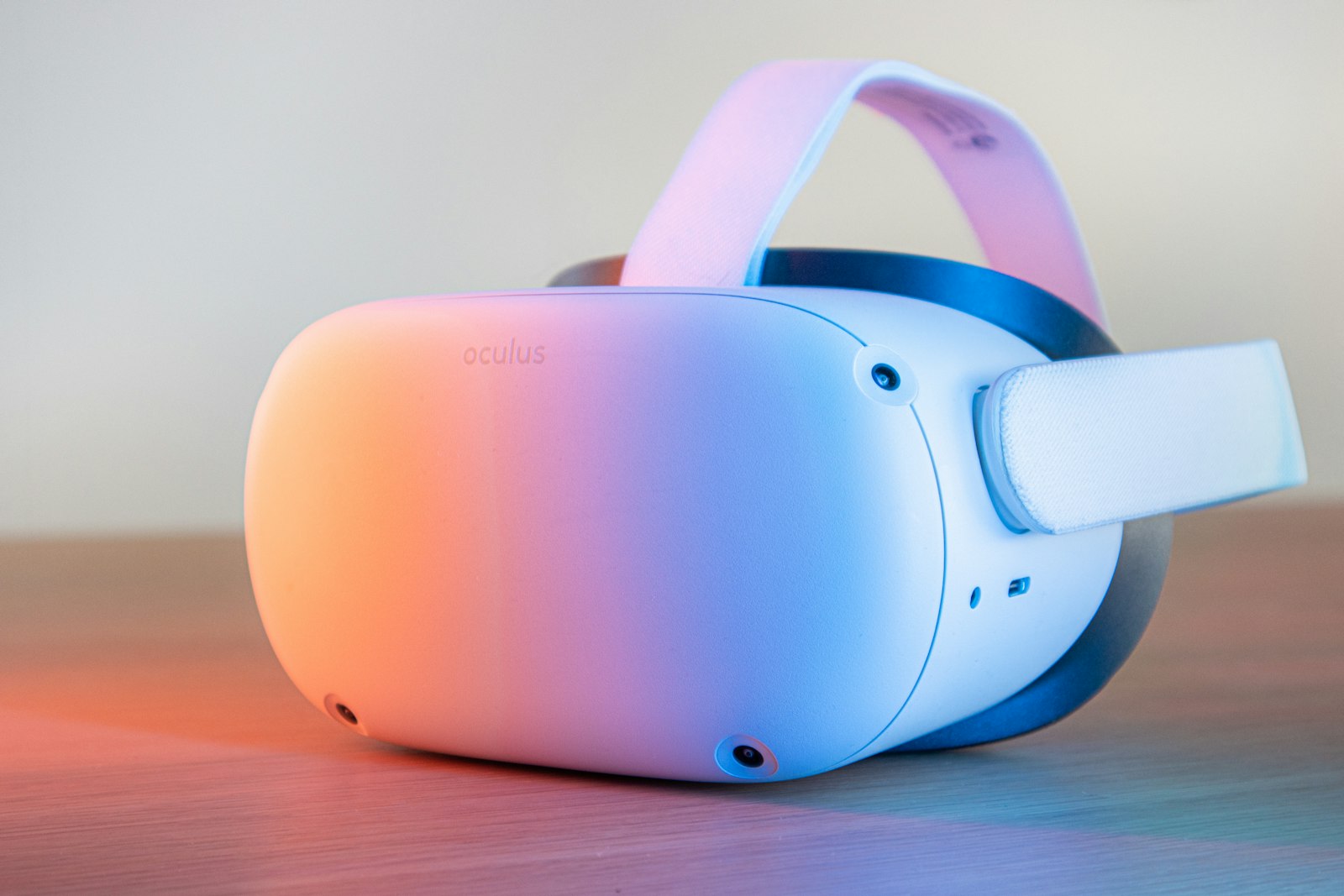
Opening a VR arcade in 2026 is a genuinely good small-business bet: hardware costs have fallen, free-roam systems have matured, and consumer appetite for out-of-home experiences keeps climbing. It's also a business where the difference between profit and pain is almost entirely operational. This guide walks the whole path.
Step 1: Choose your model
There are three viable shapes, and they have very different economics:
- Booth/station arcade — individual VR stations or booths, 1–2 players each. Lowest startup cost ($40k–$120k), smallest footprint (1,000–2,500 sq ft), simplest staffing. Revenue ceiling is lower; throughput is your constraint.
- Free-roam arena — a large open space (2,000–6,000 sq ft) where groups play untethered together. Higher startup ($150k–$500k+), much higher revenue per session, and the strongest party/corporate appeal.
- Hybrid — an arena plus booths for overflow, solo players and racing/flight sims. Best utilization profile; most venues converge here eventually.
We compare these in depth in free-roam vs booth VR, but the short version: parties and corporate events pay the bills, and free-roam sells parties.
Step 2: Budget realistically
Typical all-in startup ranges (see the full cost breakdown):
| Line | Booth model | Free-roam |
|---|---|---|
| Fit-out & space prep | $15k–60k | $40k–150k |
| VR hardware | $15k–50k | $60k–200k |
| Game licensing (year 1) | $5k–20k | $20k–60k |
| Software, POS, kiosk | $2k–5k | $2k–5k |
| Insurance, legal, permits | $5k–15k | $10k–25k |
| Marketing & launch | $10k–25k | $15k–40k |
| Working capital (6 mo) | $30k–60k | $60k–120k |
Under-capitalized launches fail on marketing, not hardware. Reserve real money for the launch quarter.
Step 3: Location and layout
You don't need mall-anchor rent. You need: 15–20 minutes' drive from a dense residential base, parking, and ceiling height (free-roam wants 10 ft+). Retail plazas and light-industrial conversions both work; malls have trade-offs around hours and percentage rent.
Plan the floor around turnover: a briefing area that stages the next group while the current one plays, gear-up stations off the play floor, and a party room you can sell separately.
Step 4: Insurance, waivers and licensing
General liability for VR venues runs $3k–10k/year and every insurer will ask about your waiver process. Get digital waivers with separate adult and minor flows from day one — paper waivers are the first thing underwriters flag. Business licensing is standard retail/entertainment; check local assembly-occupancy rules if your capacity exceeds ~50 people.
Step 5: Hardware and games
Buy commercial-licensed content, not consumer Steam copies — arcades operating on consumer licences get delisted by publishers and have no legal footing. Headset choice matters less than your cleaning and charging workflow; see choosing VR headsets for a commercial arcade. Start with 8–12 titles across co-op shooter, horror, family/party and puzzle — breadth sells repeat visits.
Step 6: Software before staff
Set up your operating platform before you hire, because it defines your staffing needs. With online booking, kiosk check-in and waivers, integrated payments and an AI agent answering calls and chat, a two-person shift can run a venue that would otherwise need four. That's $60k–100k/year of payroll difference — the software pays for itself before the doors open.
Step 7: Price for parties
Walk-in sessions are your baseline; group events are your margin. Price sessions per player with group tiers ($25–45/player for free-roam is typical — see VR arcade pricing), then build birthday and corporate packages with room time, food add-ons and deposits taken at booking.
Step 8: Launch loud
Six weeks before opening: claim your Google Business Profile, open bookings early ("founding member" pricing), run a school/influencer preview night, and start collecting Google reviews from day one. Your first 100 reviews determine your "vr arcade near me" ranking for years.
A realistic timeline
- Months 1–2: business plan, financing, site search
- Months 3–4: lease, fit-out design, hardware orders, insurance
- Month 5: fit-out, software setup, hiring, game installs
- Month 6: soft launch → grand opening
Ready to see the operational side? Explore the live demo — a fully running venue with bookings, kiosk and AI agents — or start a free trial and have your booking site live the same day.